A white lion is a genetic variant, not an albino, and you will not find one on a typical East Africa safari.
White lions are one of the most striking images in wildlife photography, and searches for “albino lion” are common. The truth is more nuanced. White lions are leucistic, a trait caused by a recessive gene that reduces pigment in the coat but leaves skin, eyes and nose normally coloured. True albinism, a complete lack of pigment that gives pink eyes, is extremely rare in lions and has not been confirmed in the wild with certainty.
Quick FactsLeucistic lions with pale coats and normal eye colour.
Extremely rare; would show pink or very pale eyes and skin.
White lions are associated with the Timbavati region of South Africa, not East Africa.
Tawny lions are the norm in Kenya, Tanzania and Uganda.
The white coat comes from a rare recessive gene. Both parents must carry it, so white cubs appear only occasionally. Because they are conspicuous, white lions face survival challenges in the wild. Conservation groups in South Africa work to protect the region where they occur naturally.
Albinism is a lack of melanin throughout the body, while leucism is a partial loss of pigmentation. A leucistic lion keeps pigment in the eyes, nose and skin. Most photographs shared online as “albino lions” show leucistic white lions.
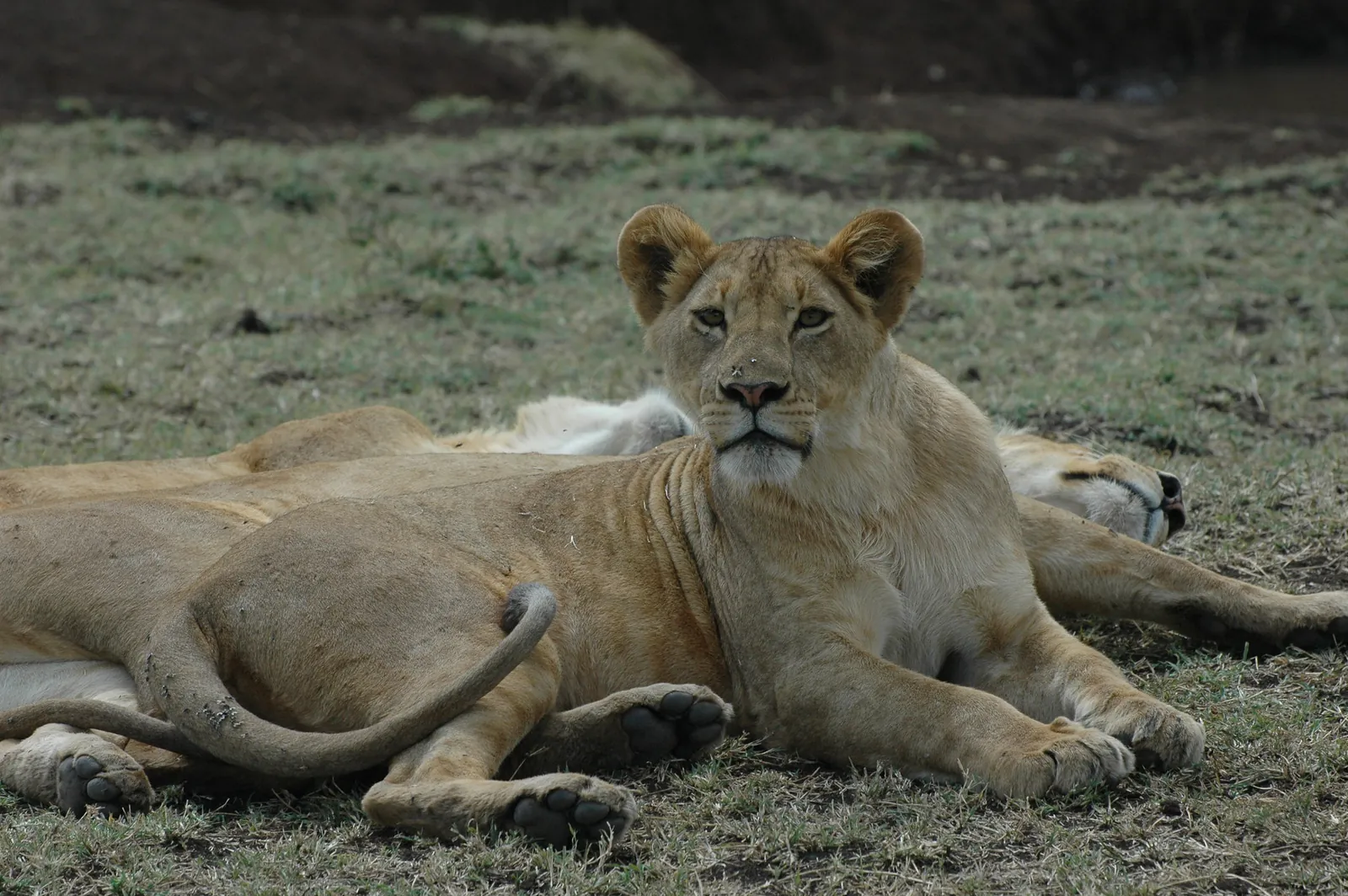
Not in any reliable, regular way. East African lions are the familiar tawny colour. If you want to see lions in Kenya, Tanzania or Uganda, head to the Maasai Mara, Serengeti or Queen Elizabeth National Park.
Avoid any facility that breeds white lions for display or canned hunting. Choose wild, ethical wildlife experiences. Our safaris take place in national parks and conservancies. See our lion safety guide.
White lions are not the only unusual colour form among African wildlife. Black servals and melanistic leopards occur occasionally, and golden or “strawberry” colour variants exist in some species. These forms come from different genetic mechanisms, and sightings are rare and often well publicised. If you hope to see something unusual, spend longer in a single area and ask your guide for recent reports.
Be wary of any place that offers cub petting, “lion walks” or captive viewing of rare colour forms. These activities often feed canned hunting and do not contribute to conservation. A good test is to ask where the animals will end up and whether the facility supports reintroduction into the wild. Wild lions in national parks and conservancies are the ethical way to see them.
Even ordinary tawny lions offer rewarding viewing. Look for prides resting in shade through the day, males patrolling territory at dusk, cubs playing around adults, and the rare moments when a pride makes a coordinated hunt. In Uganda’s Ishasha sector, lions climb fig trees to escape heat and insects.
Frequently Asked QuestionsNo. White lions are leucistic, with normal eye and skin pigment.
True albino lions are extremely rare and not reliably documented in the wild.
They are associated with the Timbavati region of South Africa.
Not reliably. East African lions are tawny.
Avoid canned-hunting and captive-breeding facilities. Choose wild, protected areas.
Our Big Five safaris focus on wild lions in protected parks.