Semi-nomadic pastoralists of southern Kenya and northern Tanzania, famous for their red shukas, beadwork and deep connection to cattle and land.
The Maasai are a Nilotic people who live in the Rift Valley of southern Kenya and northern Tanzania, around areas that include the Maasai Mara, Amboseli, Ngorongoro and the Serengeti plains. They speak Maa and have traditionally been pastoralists, measuring wealth in cattle. The Maasai tribe numbers well over a million people across the two countries, and many now combine herding with farming, tourism work and wage employment.
For visitors, Maasai culture is part of the safari experience, and many guides and lodge staff are Maasai. This guide explains the basics and how to engage respectfully.
Quick FactsSouthern Kenya and northern Tanzania, around the Mara, Amboseli, Ngorongoro and Serengeti.
Maa, plus Swahili and English.
Red and checked shuka cloths, with beaded jewellery whose colours carry meaning.
Age-set systems, cattle herding, the adumu jumping dance and warrior (moran) traditions.
People often search for the “average Maasai height”. There is no reliable, large-scale survey that gives a definitive figure, and individuals vary like everyone else. Many Nilotic peoples in East Africa and Sudan are known for slender builds and long legs, and Maasai men often appear tall alongside their thin red cloaks and walking sticks, but it would be wrong to generalise. Treat height claims as impression rather than data.
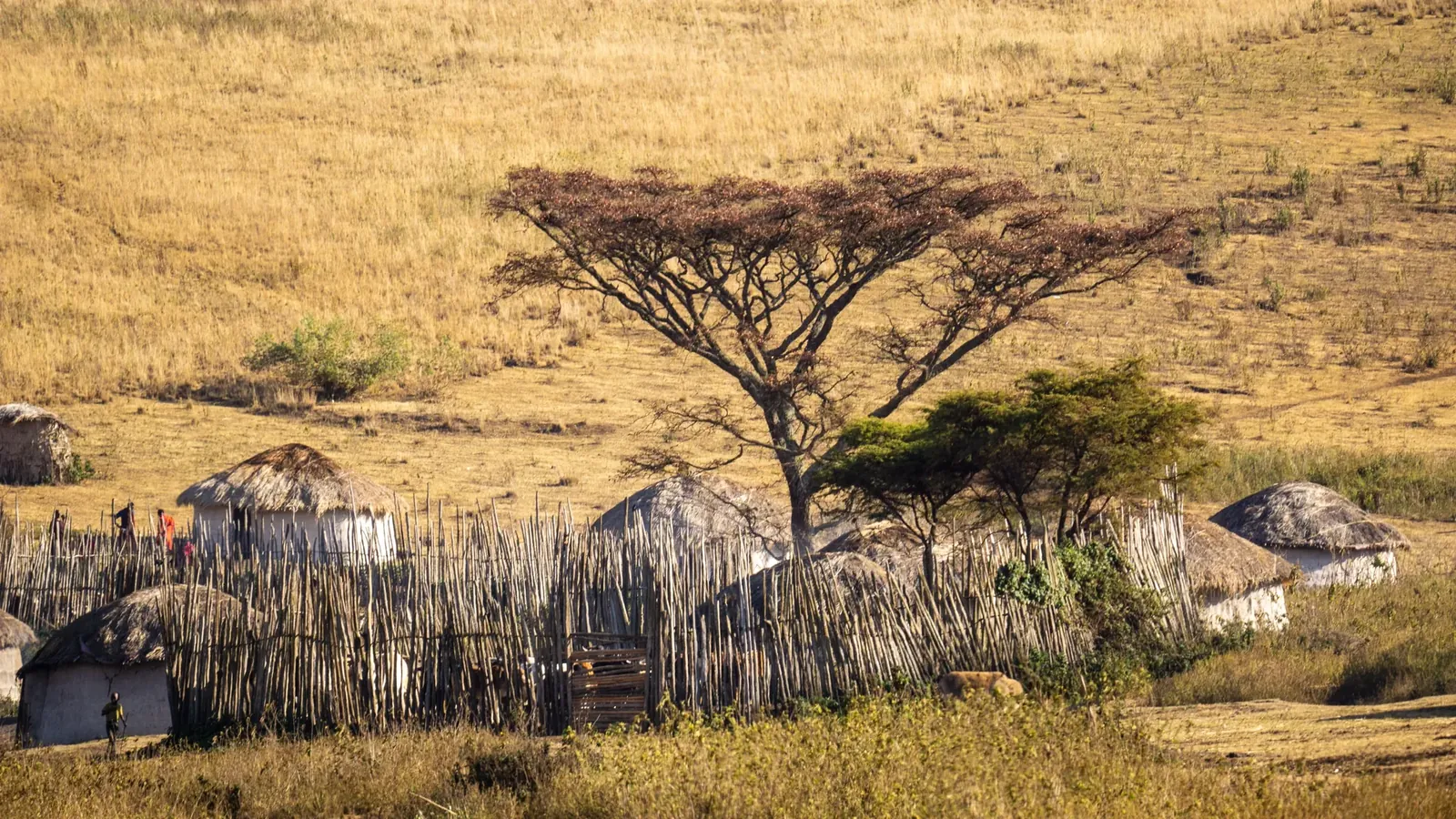
Traditional Maasai life centres on livestock: cattle, goats and sheep provide milk, meat and status. Homesteads, called enkangs, are circular fences of thorn branches with small houses inside. Society is organised into age sets, with boys becoming warriors (morans) and later elders. Women build and maintain houses and make intricate beadwork that signals age, status and marriage.
Red is the most recognisable colour of the Maasai shuka. Beaded collars, bracelets and earrings use colours with specific meanings. The adumu, or jumping dance, is a competition among young men to jump highest from a standing position while chanting. Visitors are often invited to watch or join; follow the lead of your hosts.
Maasai herders share rangelands with wildlife in Kenya and Tanzania, and conservancy models increasingly pay landowners for hosting wildlife. In the Ngorongoro Conservation Area, pastoralists and wildlife coexist under special rules. See our Ngorongoro Crater page and the sustainable safari article.
Choose visits arranged through your lodge or a trusted operator so that the community directly benefits. Ask before photographing people, be ready to pay a fair fee if one is agreed, dress modestly, and spend time listening rather than only photographing. Avoid treating a visit as a performance. Our culture and heritage experiences include thoughtful community encounters.
Maasai oral tradition describes a migration south from the Nile valley several centuries ago. By the nineteenth century they controlled large areas of the Rift Valley. Colonial land agreements, the creation of national parks and changes to grazing rights reshaped their territory in the twentieth century, and these issues remain part of discussions about land and conservation today.
Many of the best safari guides in Kenya and Tanzania are Maasai, with deep knowledge of animal behaviour and tracking. Spending time with a Maasai guide on a walking safari often brings the landscape alive in a way a vehicle cannot. Ask them about the plants they use for medicine, the stories behind the names of hills and rivers, and how seasons are read in the sky.
Frequently Asked QuestionsIn southern Kenya and northern Tanzania, around the Maasai Mara, Amboseli, Ngorongoro and the Serengeti.
Maa, along with Swahili and English.
There is no reliable survey. They are often described as tall and slender, but individuals vary.
Yes. Choose visits arranged through reputable operators so the community benefits.
Red is associated with courage and strength, and is the most recognisable colour of the shuka.
We include respectful community visits in Kenya and Tanzania itineraries.