One of Tanzania’s wildest and least-visited parks, remembered for its dry-season hippo pools, buffalo herds and the feeling of having it to yourself.
Katavi National Park lies in the far west of Tanzania, in the Rukwa region, away from the Serengeti–Ngorongoro circuit that dominates most itineraries. It is the country’s third-largest national park and, for travellers who value solitude over convenience, one of its most rewarding. There are very few camps, few vehicles and long stretches of open floodplain where you may watch lions, buffalo and hippo for hours without another safari vehicle in view.
Katavi suits experienced safari-goers who have already seen Serengeti or Ngorongoro, and who now want the sense of wilderness that those famous parks no longer offer in high season. It is a destination that rewards patience and a flexible mindset.
Quick FactsWestern Tanzania, in the Rukwa region, east of Lake Tanganyika.
About 4,500 square kilometres, making it the third-largest national park in Tanzania.
The dry season, roughly June to October, when wildlife concentrates along the shrinking Katuma River and its floodplains.
By light aircraft from Arusha or Dar es Salaam, usually on a scheduled or chartered flight to a bush airstrip.
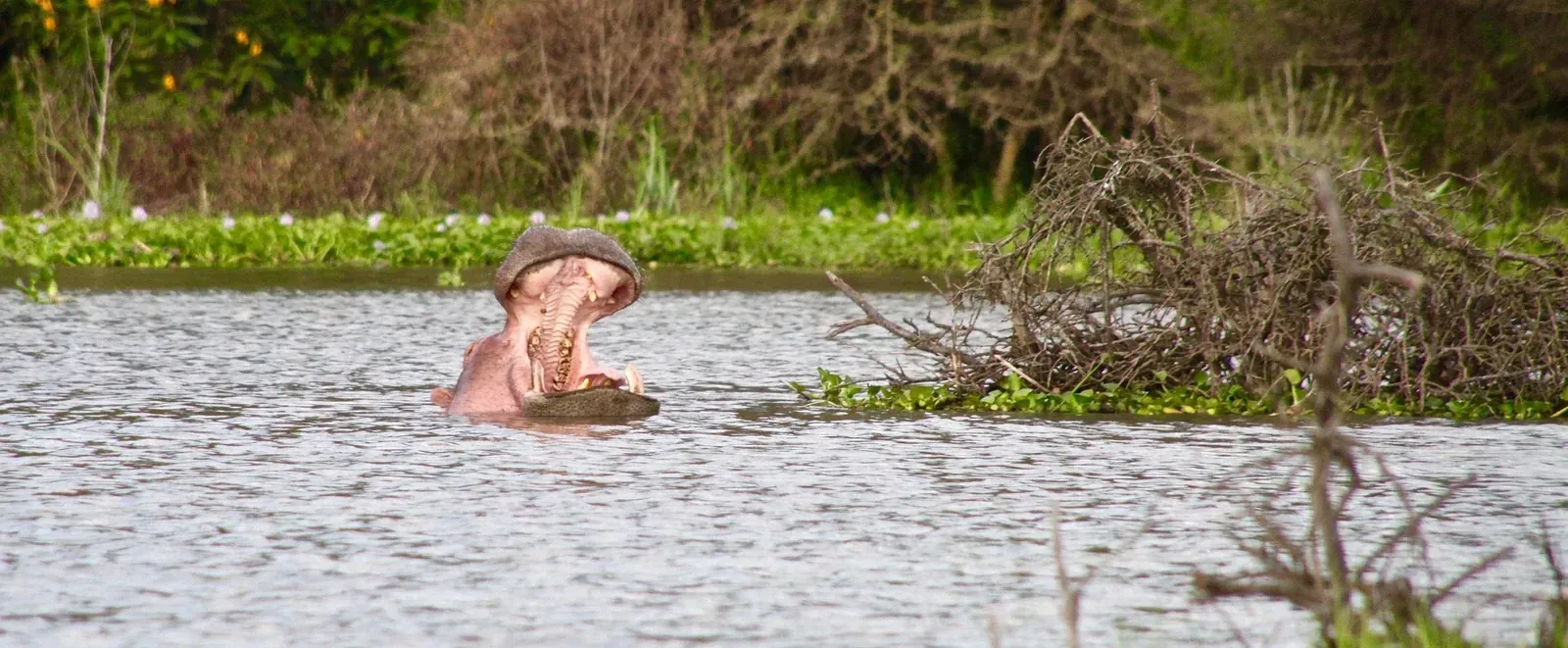
The park’s identity is built around its floodplains. The Katuma River and seasonal lakes such as Chada Katavi and Lake Katavi swell in the rains and shrink through the dry season, and the animals follow the water. By the late dry season, hippo crowd into the last pools in extraordinary numbers, buffalo gather in very large herds, and crocodiles line the mud banks. It is a raw, sometimes violent spectacle, and it rarely happens in front of a crowd.
Lions are present and often seen, and Katavi is also known for elephants, giraffe, zebra, impala, roan antelope and sable, plus a rich range of birds. Because the park is vast and wild, sightings feel earned rather than staged.
The weeks from roughly July to October are the headline season. Pools along the Katuma shrink, the grass is short, and wildlife moves to the permanent water in daily patterns you can learn to read. Hippo fights, buffalo herds drinking at dusk and crocodiles waiting at the edges are standard viewing, and a good guide knows where the action will be.
The wet months, roughly November to April, are green and photogenic, with many birds and young animals, but roads can become difficult, some camps close, and wildlife is harder to find. Most travellers aim for the dry season.
Katavi is a poor fit for a first-time safari with a tight budget or a short time frame. Access is by air, camps are small and costs reflect the logistics. It is an excellent fit for travellers who have already done the northern parks, for photographers who want empty light and empty tracks, and for couples or small groups who want privacy.
It also pairs naturally with Mahale Mountains National Park on Lake Tanganyika, where you can track chimpanzees. See our guide to Mahale Mountains chimpanzee trekking for how the two combine into a western Tanzania circuit.
Katavi offers game drives, guided walks with an armed ranger and, in places, fly-camping. Walking is popular because the open woodland lets you see wildlife on foot with a guide, and because the experience of tracking and reading signs is part of what many Katavi regulars come for. Activities vary by camp and by season, and your Ameera consultant will confirm what is possible on your dates.
Katavi usually sits in a western or southern circuit with Mahale, Ruaha and Nyerere. Because flights, not roads, link these places, the routing needs care, and a bush flight schedule may dictate your days. Our 10-day Southern Tanzania safari shows how a quieter-parks itinerary is structured, and we can extend it west on request.
Katavi is remote, so medical help is far away. Carry a personal first-aid kit, take your doctor’s advice on malaria prevention, and expect tsetse flies in some areas; light, long-sleeved neutral clothing helps. Baggage on small aircraft is usually limited to soft bags, so pack accordingly. See our health and safety guide and packing advice.
Frequently Asked QuestionsKatavi is in western Tanzania, in the Rukwa region, east of Lake Tanganyika, and is one of the country’s largest and most remote national parks.
The dry season, roughly June to October, is best, when wildlife concentrates near the Katuma River and remaining pools.
Most visitors fly in on light aircraft from Arusha or Dar es Salaam to a bush airstrip. Road access is long and difficult, particularly in the rains.
It is better as a second or third safari. First-timers usually benefit from the Serengeti and Ngorongoro circuit, then add Katavi for wilderness.
Yes. Katavi and Mahale Mountains are commonly combined in a western Tanzania itinerary, linked by light aircraft.
Pair Katavi with chimps on Lake Tanganyika.
Explore →A quieter-parks circuit.
Explore →Parks, seasons and routes across the country.
Explore →The wider Northern Circuit context for this stop.
Explore →Our consultants plan western and southern Tanzania around flight schedules, season and your pace.